Hey, you know, in today’s super competitive manufacturing world, really nailing down your production process is kind of a big deal if you want to stay efficient and keep quality on point. Those CNC machined milling parts? They’re kinda central to making that happen — boosting overall productivity and helping in getting precision just right. I read this recent report from Deloitte, and it’s pretty eye-opening: companies that are jumping on the CNC train see up to 20% boosts in productivity, plus they’re cutting waste and lowering costs by about 15%.
At Shaanxi Brilliant Machinery Co., Ltd., we honestly have this big dream — to be the go-to name worldwide for manufacturing excellence, being eco-friendly, and keeping our customers super happy. We’re always working on new ways to improve and innovate our processes because we believe that by doing so, we can raise the bar on quality for CNC machined milling parts, making sure our clients get what they need — fast, efficient, and reliable.
Understanding CNC Machining: Key Concepts and Benefits in Production
CNC machining is really shaking up how things are made in a bunch of industries — from cars to Medical devices. At its core, it’s all about the precise, automated control of machine tools, which means manufacturers can create super complex parts with incredible accuracy. If you’re looking to get the most out of CNC, it’s pretty vital to understand some key concepts. For example, knowing how CAD/CAM software fits into design and tooling is a biggie, plus getting a grip on feed rates and cutting speeds can seriously boost both efficiency and the quality of the final product.
On top of that, switching to CNC machined milling parts comes with a bunch of perks. It helps manufacturers streamline their workflows, cut down on waste, and scale up production more easily. In places like Taiwan, you see this really thriving — a strong CNC industry with a wide supply chain that pushes innovation forward. These advancements are paving the way toward CNC tool machine 4.0, where smart systems and sensors are making production even more precise and automated. So, as industries keep changing and evolving, jumping into CNC machining isn’t just about efficiency — it’s also about setting yourself up for steady growth in an increasingly competitive global market.
Production Efficiency with CNC Machined Milling Parts
This bar chart illustrates the time allocation across different stages of the CNC machining process. By optimizing each phase, production efficiency can be significantly improved, showcasing the benefits of using CNC machined milling parts.
Essential Factors Affecting CNC Milling Accuracy and Efficiency
Getting really good at CNC milling—so, achieving high accuracy and efficiency—basically boils down to understanding a few key factors that can make or break your production. First off, the tooling choices are huge. I came across a recent report by Market Research Future that says up to 60% of machining errors come from worn-out or just the wrong tools. So, it’s worth regularly checking your tools and swapping them out when needed. Honestly, a bit of vigilance here can really boost your performance and make sure your parts come out spot-on, just how you want them.
Then, there’s the whole machine calibration thing. Over time, things like temperature shifts and mechanical wear can throw off your machine’s accuracy, which means your part dimensions might not match up perfectly. Industry folks suggest doing calibration checks every 6 to 12 months—it’s a game changer, improving accuracy by around 20%. To keep things running smoothly, it's smart to set up a maintenance routine that includes calibration and also keeps the environment stable—think temperature controls—to avoid those tiny errors sneaking in.
**Quick tip:** If you’re looking to really ramp up efficiency, try using some of the newer software tools for CNC programming. They can cut down setup times and streamline your workflow. Plus, using simulation tools ahead of time can help spot potential problems in the milling process before they happen, saving you a lot of headaches and money down the line. When you focus on these aspects, you’ll see a pretty noticeable boost in your manufacturing results.
How to Optimize Your Production Process with CNC Machined Milling Parts
| Dimension | Value | Impact on Accuracy | Impact on Efficiency |
| Material Type | Aluminum Alloy | High | Medium |
| Cutting Speed | 1200 RPM | High | High |
| Feed Rate | 200 mm/min | Medium | High |
| Tool Material | Carbide | High | Medium |
| Coolant Type | Water Soluble | Medium | High |
| Machine Calibration | Daily | Very High | High |
How to Choose the Right Materials for CNC Machined Parts
Choosing the right materials for CNC machined parts really matters if you're aiming to optimize your production process. I mean, recent reports on additive manufacturing have really highlighted how using advanced materials can seriously boost both the quality and performance of parts. Over in China, the metal 3D printing scene has been exploding — tons of companies are now making metal printers, which shows a clear shift towards customizing materials for specific needs. All of this kind of feeds into our chat about CNC machining because, at the end of the day, picking high-quality materials can make your parts more precise and durable.
When it comes to CNC components, it’s super important to think about the material properties—stuff like strength, weight, and how easy it is to machine. Materials like aluminum, titanium, and high-strength plastics are usually the go-to because they strike a good balance between being strong and lightweight. Some recent studies are even pointing towards a hybrid approach—mixing CNC machining with additive manufacturing—to get around traditional limits. That way, you can end up with parts that don’t just meet industry standards but maybe even surpass them. If manufacturers make smart choices on materials, it can really streamline production, cut down on waste, and save a good chunk of change in the long run.
Implementing Advanced Tooling Strategies for Enhanced Milling Precision
Getting the hang of advanced tooling strategies is pretty key if you want to boost precision in CNC milling. When manufacturers stay up-to-date with the latest tech in tooling, they can really see improvements in both accuracy and efficiency. Using top-notch cutting tools with smart geometries helps carve out material more cleanly and cuts down on wear and tear—totally a game changer for the final product’s quality. And don’t forget about software that optimizes tool paths; it can slash machining time while still hitting those precise measurements, making sure every part fits just right.
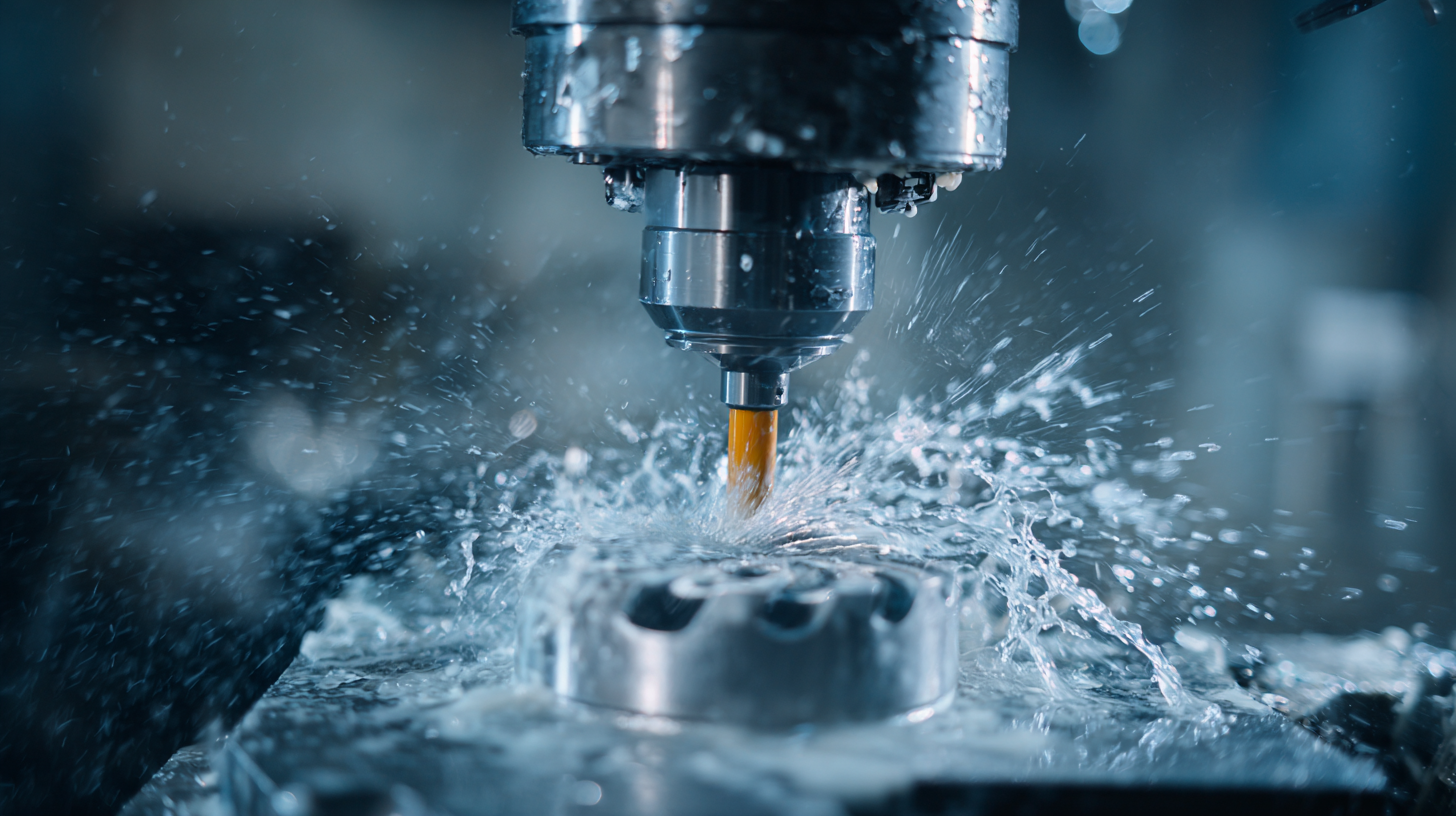
On top of that, picking the right materials for your tools makes a big difference in how long they last and how well they perform. For example, carbide or high-speed steel tools can handle higher temps and are less likely to warp during milling. Keeping your equipment in tip-top shape with regular maintenance and calibration is just as important — it helps keep precision high and stops those annoying unexpected breakdowns. By adopting a proactive approach to maintenance and investing in good tool management, manufacturers can avoid costly delays and keep their production running smoothly. All these strategies not only streamline the workflow but also save money in the long run, which is pretty sweet.
Leveraging Automation and Software in CNC Milling Optimization
In today’s super competitive manufacturing world, using automation and smart software in CNC milling isn’t just a nice-to-have anymore – it’s pretty much a necessity. I mean, a report from the American Machine Tool Distributors' Association shows that CNC machine usage has shot up by over 50% in the past ten years. That really speaks to how much factories are leaning into automation these days. Automating things makes operations run smoother, cuts down on errors and inconsistencies, and boosts precision. When manufacturers bring in advanced software tools, they can monitor their processes in real-time, spot any slowdowns or issues, and tweak things on the fly to keep everything running efficiently.
Plus, with all the latest industry 4.0 tech, machines are pretty much talking to data systems now. This combo makes predictive maintenance a game-changer — downtime can drop by as much as 30%, according to McKinsey. Basically, companies can predict when something’s about to break and fix it before it causes a big mess. That not only keeps machines running longer but also makes them perform better. The big picture here is that combining CNC automation with smart software isn’t just about getting the job done; it’s about creating a smoother, smarter, more continuous improvement process that makes manufacturing stronger and more agile overall.
Analyzing Cost-Effectiveness and Production Time with CNC Milling Techniques
You know, CNC milling has really changed the game when it comes to production stuff. It’s a pretty game-changer for cutting costs and boosting efficiency. Since these machines are automated, companies can save a ton on labor and still get really precise results. Plus, CNC machines make it super easy to do quick prototypes and get smaller production runs done without sacrificing quality. That kind of speed and accuracy helps lower overall costs, making it an appealing choice for manufacturers wanting to get more done with less hassle.
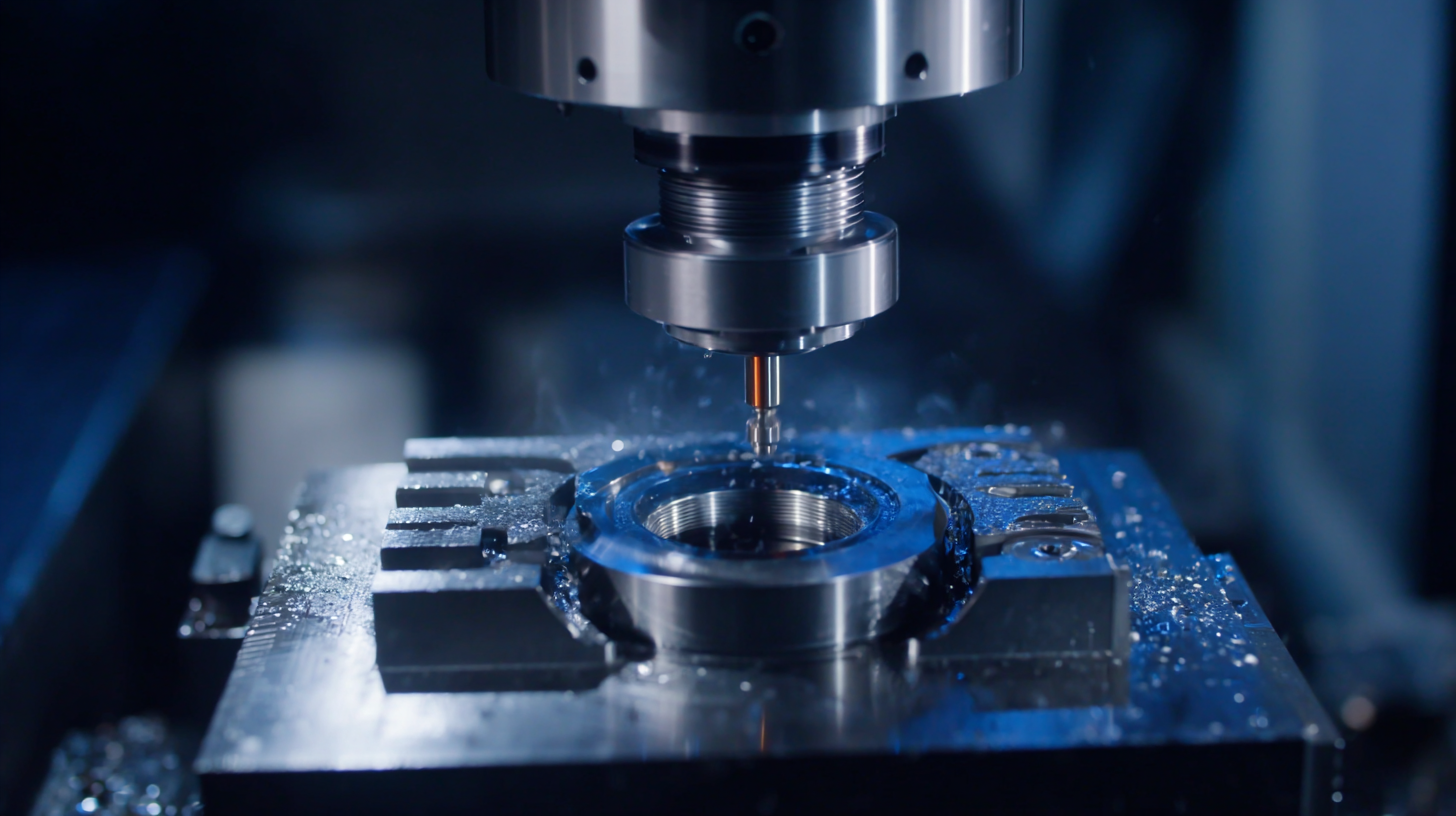
And let’s talk about how much faster things get with CNC milling. Traditional methods often need a lot of manual work, which can cause delays or even lead to mistakes. CNC machines, on the other hand, work quickly and precisely, so factories can crank out more stuff in less time. They’re also fantastic for creating intricate parts—stuff that’d take forever or maybe even be impossible to make by hand. By going with CNC-milled parts, companies can smooth out their production, cut down on waste, and respond faster to what the market needs. All of this adds up to better profits and a more agile operation.
Optimizing CNC Milling Parts for Enhanced Efficiency in Energy and Power Generation
In the energy and power generation sector, CNC milling plays a vital role in the fabrication of essential components necessary for system construction, operation, and maintenance. The precision-engineered parts produced through cutting-edge CNC milling technology not only enhance the reliability of energy systems but also ensure that they operate efficiently under varying conditions. These components are meticulously crafted to withstand the demanding environments found in power plants, whether they are fuel-based, hydroelectric, or other types of energy sources.
The applications of CNC milled parts are diverse, encompassing everything from pump turbines to complex power transmission machinery and control systems. Each of these components is designed with high precision, contributing to the seamless production and distribution of energy. High-quality CNC milling processes guarantee durability and optimal performance, helping to minimize downtime and maintenance costs. By optimizing these vital parts, energy and power generation facilities can improve their overall efficiency and reduce operational challenges, paving the way for a more sustainable energy future.
FAQS
: CNC machining is the automated control of machine tools that allows manufacturers to create complex components with high accuracy. It is important because it optimizes production processes across various industries by improving efficiency and product quality.
CAD/CAM software is essential for design and tooling in CNC machining. It allows for precise planning of machining operations, significantly enhancing the overall efficiency and effectiveness of the manufacturing process.
The main benefits include streamlined operations, reduced waste, improved scalability, and enhanced precision in manufacturing, which collectively improve the overall production process.
According to a report, CNC machine usage has increased by over 50% in the last decade, reflecting a significant shift towards automation in manufacturing processes.
Automation in CNC milling optimization helps streamline operations, reduce variability, enhance precision, and drive efficiency, which is crucial in today’s competitive manufacturing landscape.
Real-time data analytics allows manufacturers to identify bottlenecks, make informed adjustments, and optimize production processes, ultimately leading to increased efficiency and productivity.
Industry 4.0 technologies facilitate a connection between machines and data analytics, enabling predictive maintenance, reducing downtime, and improving the overall performance and lifespan of equipment.
Predictive maintenance allows companies to foresee equipment failures and conduct proactive maintenance, reducing downtime by up to 30% and enhancing machine performance.
The integration promotes a culture of continuous improvement in manufacturing practices, encouraging better resource allocation and more robust production processes.
By optimizing production and enhancing efficiency, CNC machining positions companies for sustainable growth in a competitive global market, allowing them to adapt and innovate continuously.
Conclusion
When you're aiming for top-notch manufacturing, fine-tuning your production with CNC-machined milling parts is pretty much a must. Getting a good handle on the basics of CNC machining really shows you why it's so beneficial—think better precision and faster production. Sometimes, a small tweak—like calibration or choosing the right tools—can make a huge difference in how accurate your CNC milling turns out. Oh, and picking the right materials? Super important. The durability and kind of material you go with really impact how nice the final product looks and feels.
Plus, making the most of automation and smart software can seriously boost your efficiency, save some cash, and cut down your production time. Here at Shaanxi Brilliant Machinery Co., Ltd., we're all about pushing the envelope with innovation and quality. We make sure our CNC machined milling parts not only meet industry standards but often go beyond—setting new benchmarks for sustainability and making our customers happy. So, if you want to level up your manufacturing game, give these tips a shot—trust me, it makes a real difference!